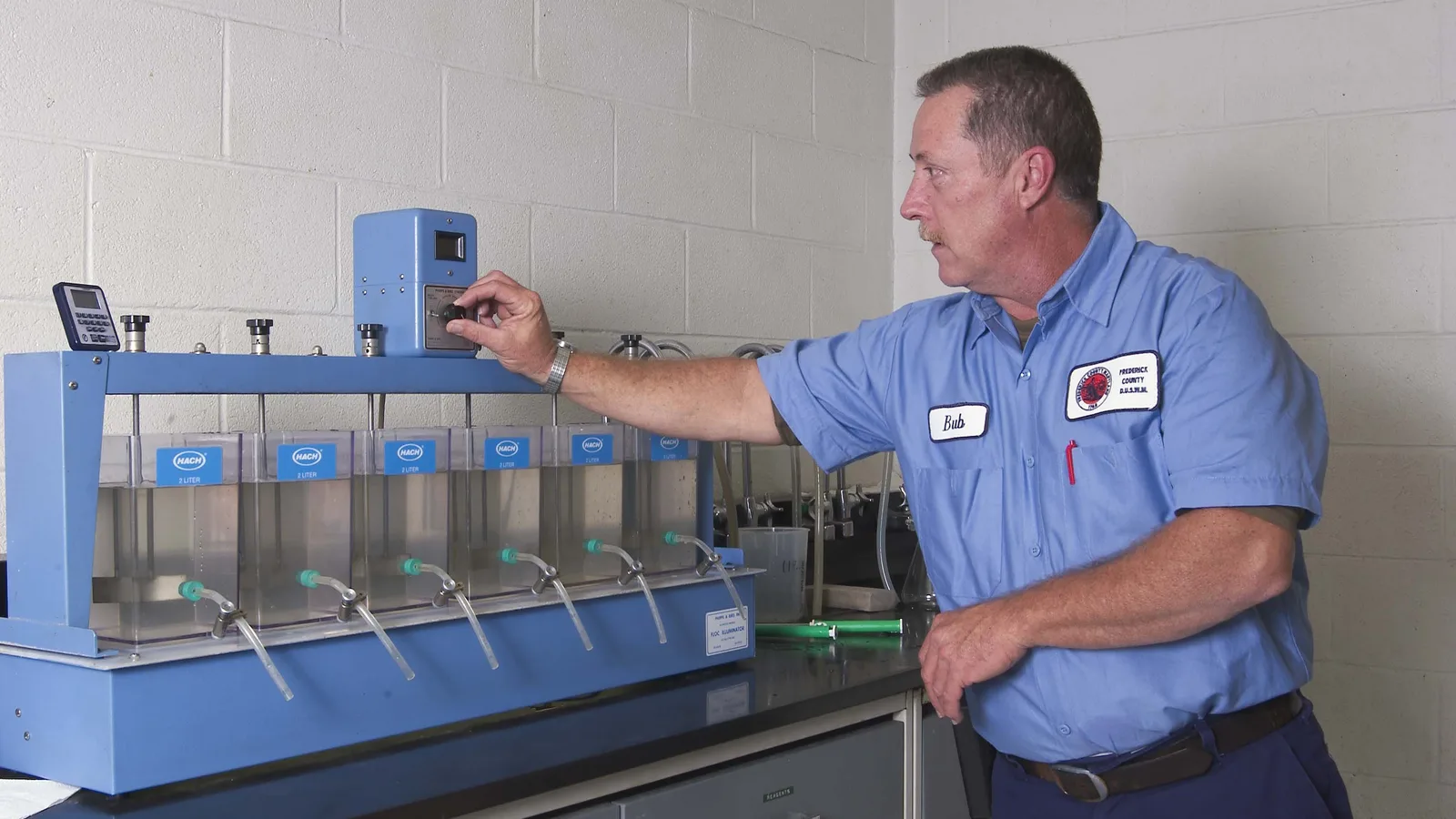
About one-third of the U.S. water-sector workforce is nearing retirement, according to the Environmental Protection Agency, raising a staffing challenge for utilities that must keep drinking-water and wastewater systems operating around the clock.
EPA highlighted the estimate after an Aug. 4 roundtable with utility, labor, education and government representatives. The discussion focused on recruitment, retention and ways to coordinate workforce programs across states.

The agency also pointed to changing job requirements. Water systems increasingly need employees with cybersecurity, automation and other technical skills in addition to the operational knowledge required to run treatment and distribution infrastructure.
EPA says the discussion will inform a revival of its 2020 Water Workforce Initiative and updates to an online workforce toolbox. The release did not announce a new grant competition or a specific funding award.
Since 2018, EPA says its Innovative Water Workforce Development grant program has awarded more than $15 million. That cumulative figure is background on prior federal support, not the value of a new roundtable commitment.
Retirement eligibility does not mean all affected employees will leave at once. The one-third estimate signals the scale of succession planning, training and knowledge-transfer needs rather than a forecast of immediate vacancies.

Utilities differ widely in size, staffing model and local labor market. EPA's national summary therefore does not establish that any particular system faces an imminent service interruption.
Participants discussed partnerships with schools, unions and community organizations as routes into water careers. The agency says it plans to use the feedback when updating workforce materials and policy priorities.
EPA has not published a timetable for completing those updates. Further actions, funding notices or program changes would require their own public records.