Two local leagues demanded leadership changes and revocation of Tulsa National's charter. Little League answered over the use of its branding, while official personnel and charter outcomes remain unresolved.
An NCAA rule effective August 1 permits two added logos on uniforms and apparel, one on equipment and another for conference championships outside NCAA postseason play.
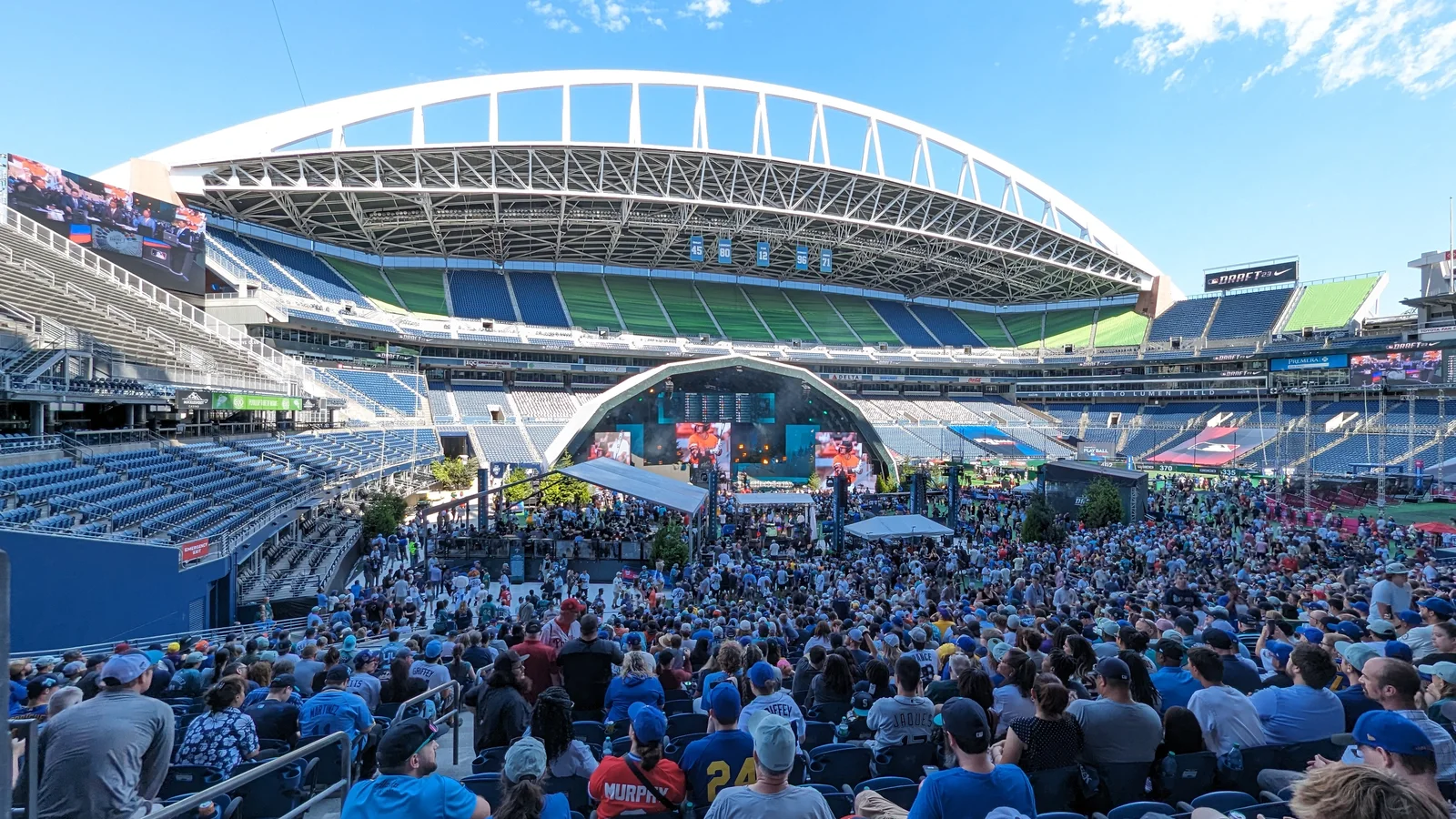
College players accounted for 26 of the first 40 selections, while the first-day group leaned heavily toward shortstops, right-handed pitchers and outfielders.
The USTA's first wearable partnership includes on-site fitting and education, a coaching recovery module and a planned performance-center recovery area.
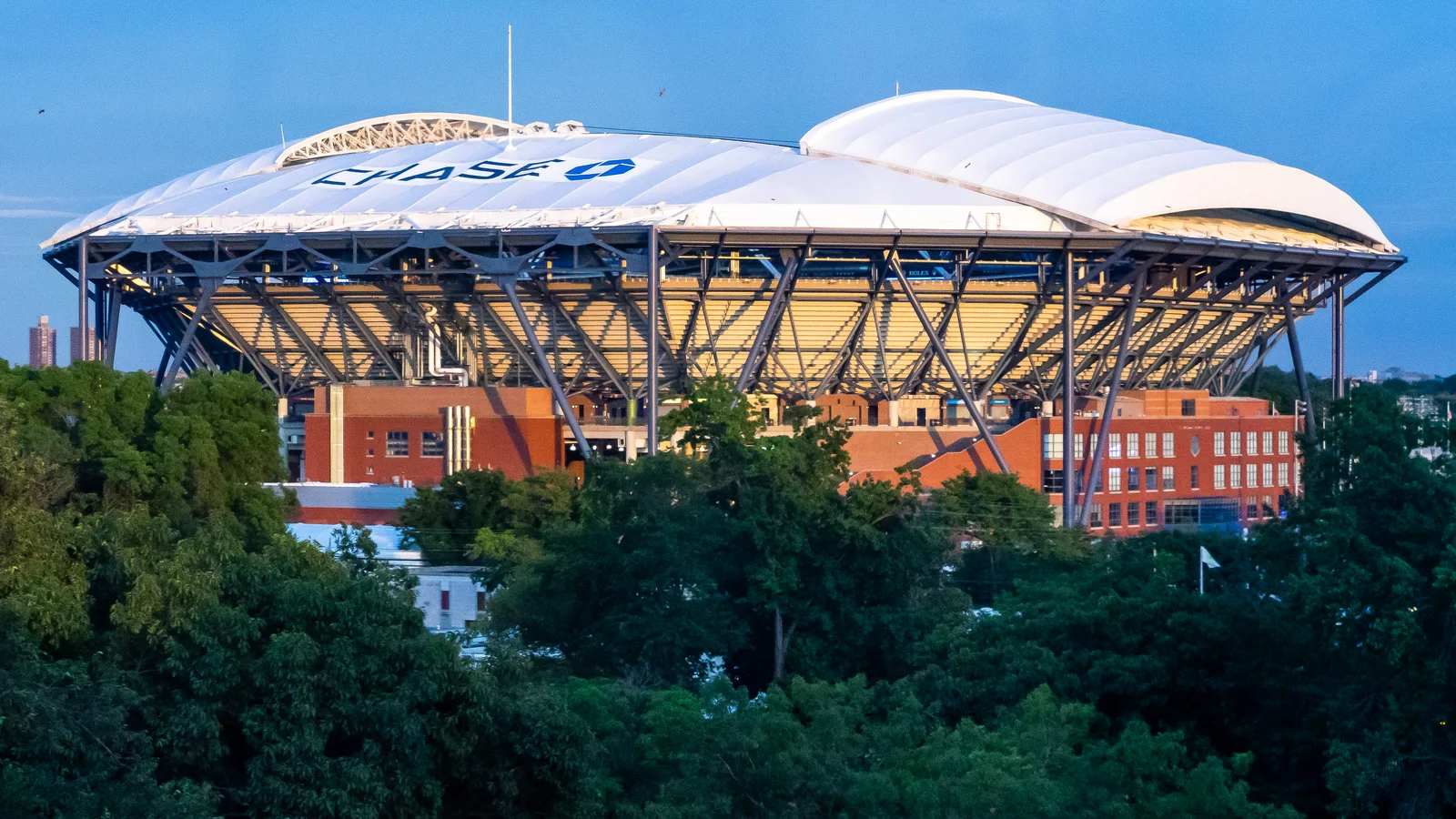
The former Australian Open tournament director takes over as the U.S. association targets 35 million players by 2035 and prepares for the 2026 U.S. Open.
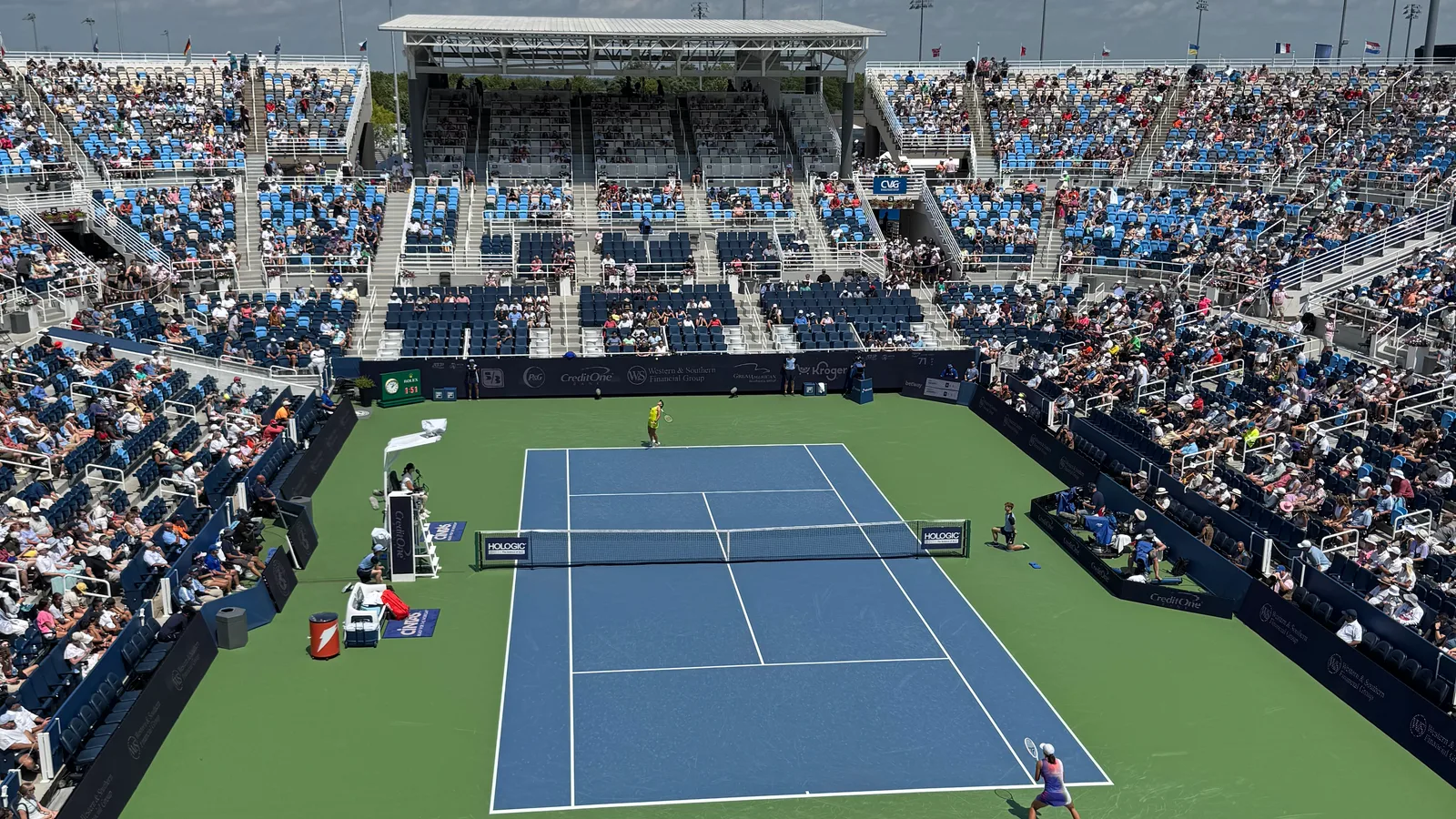
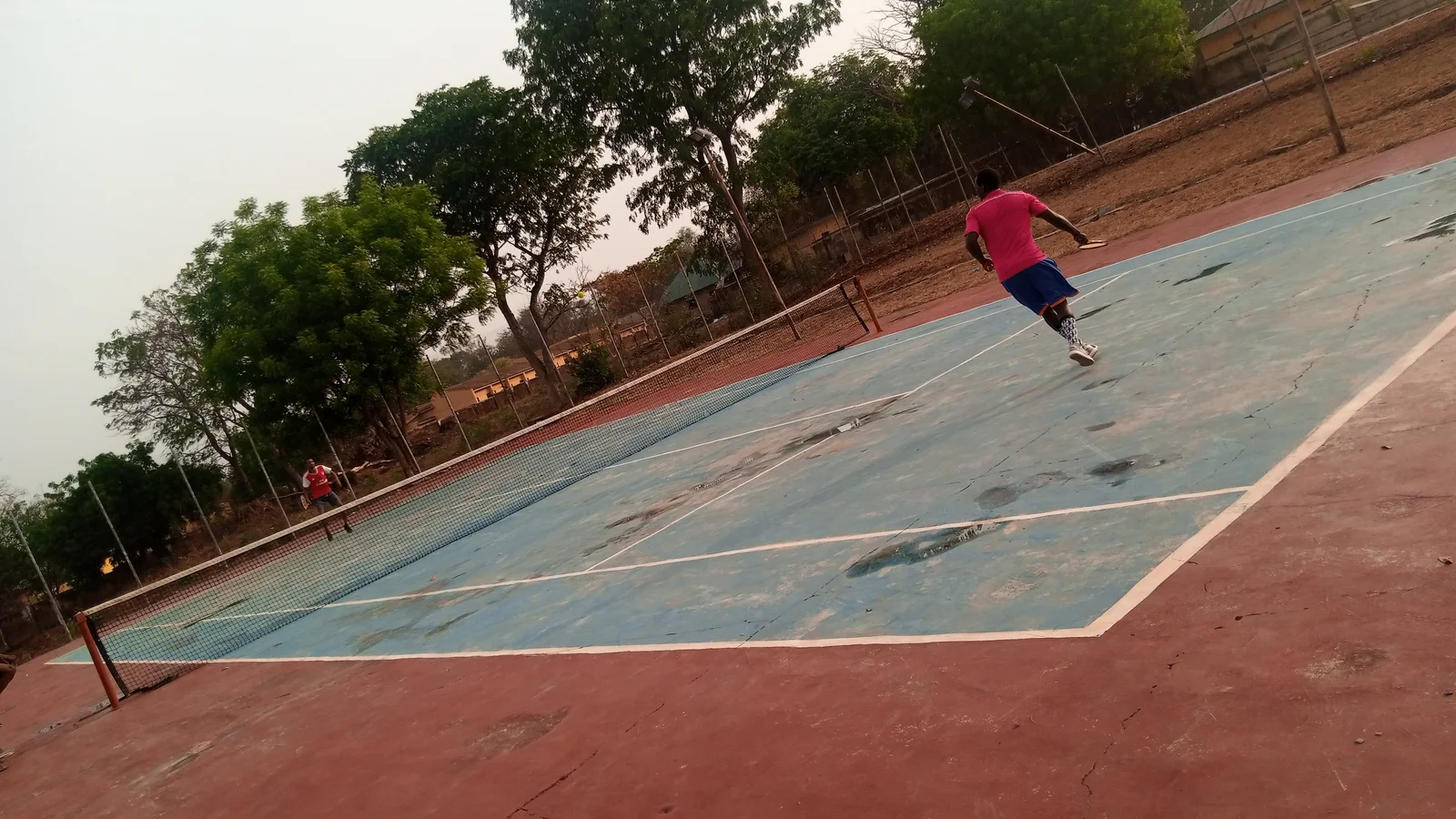
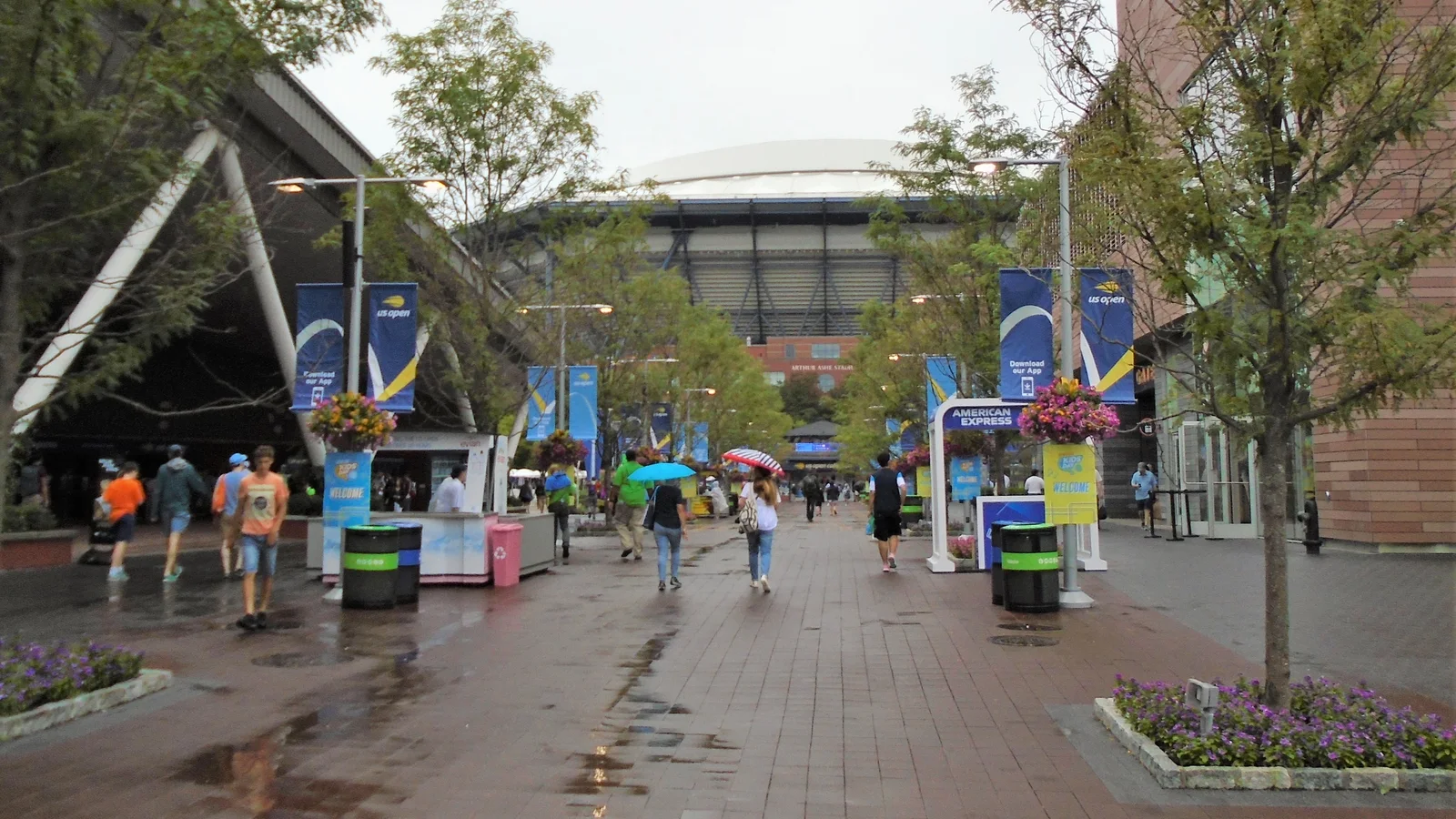
The tournament's initial player announcement names leading men's and women's entrants ahead of qualifying Aug. 24-27 and the singles main draw starting Aug. 30.
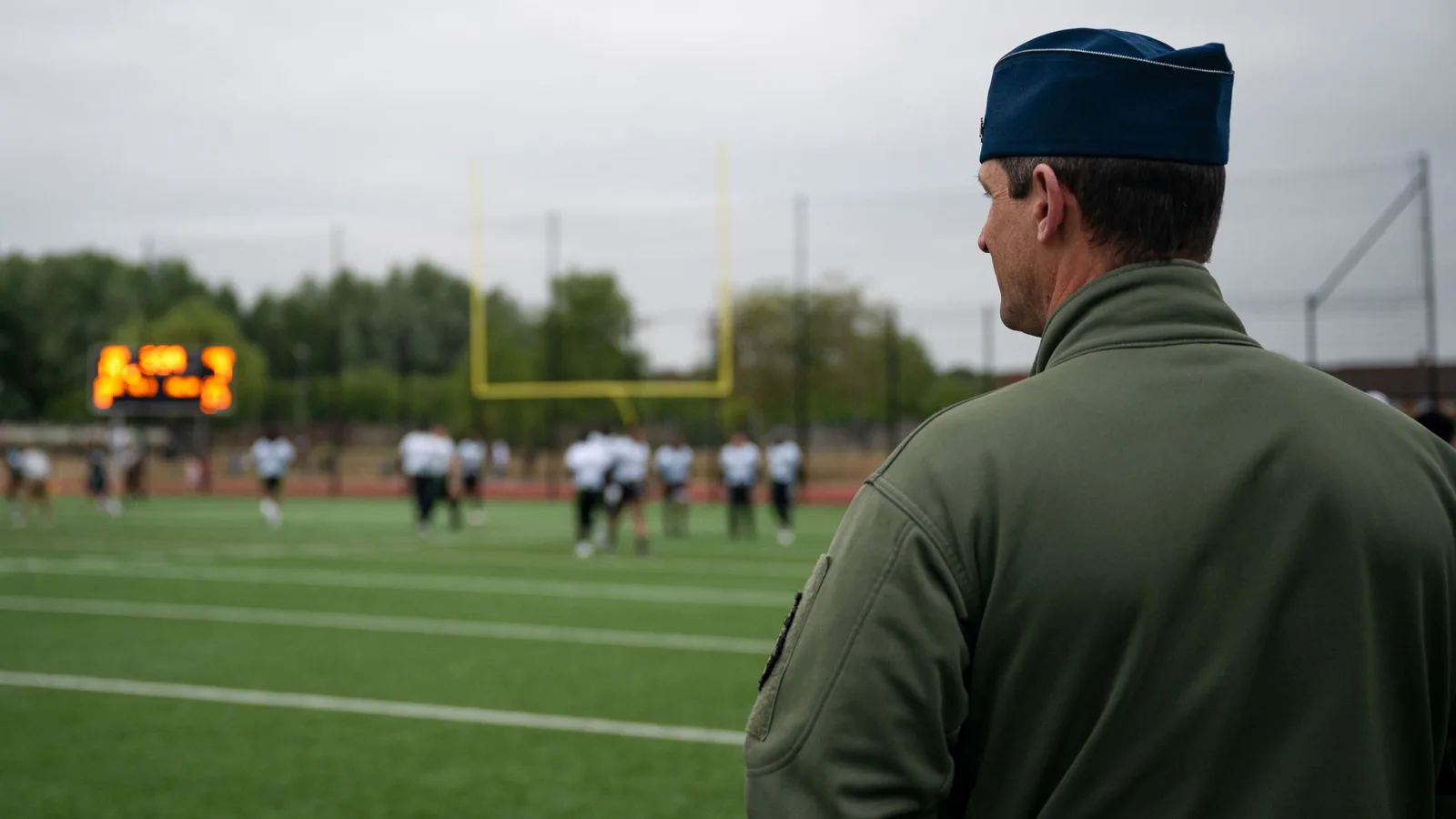
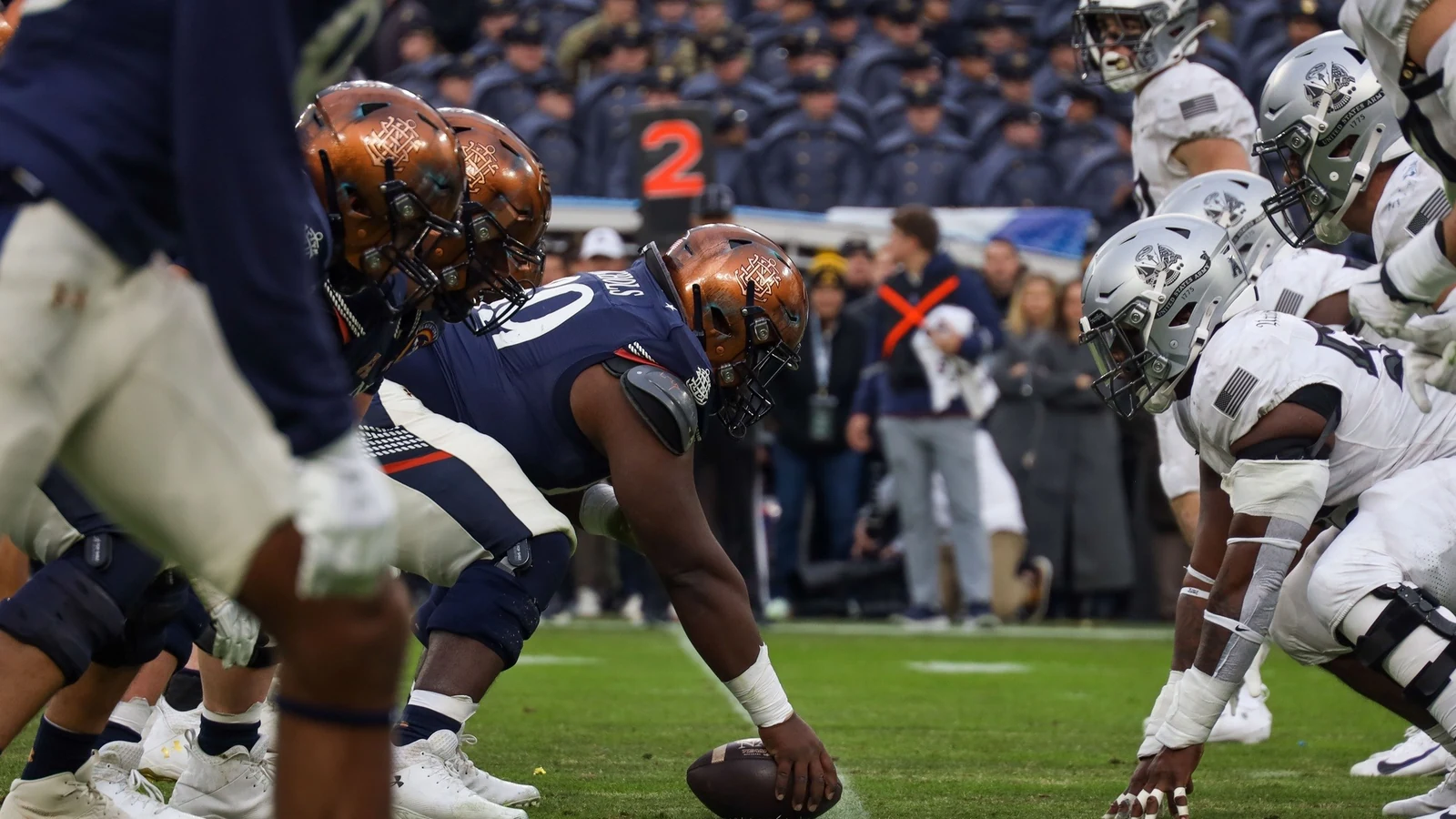
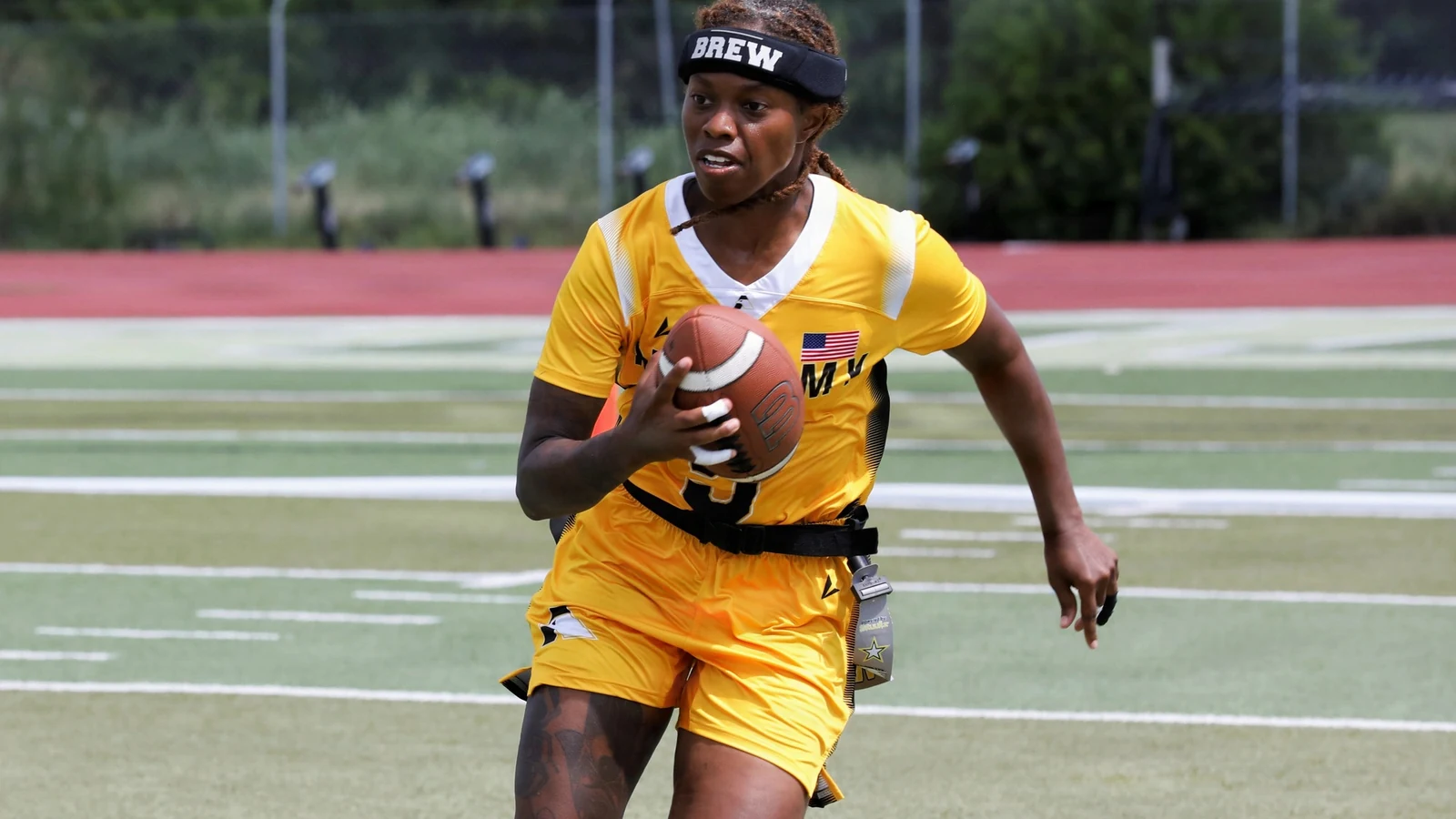
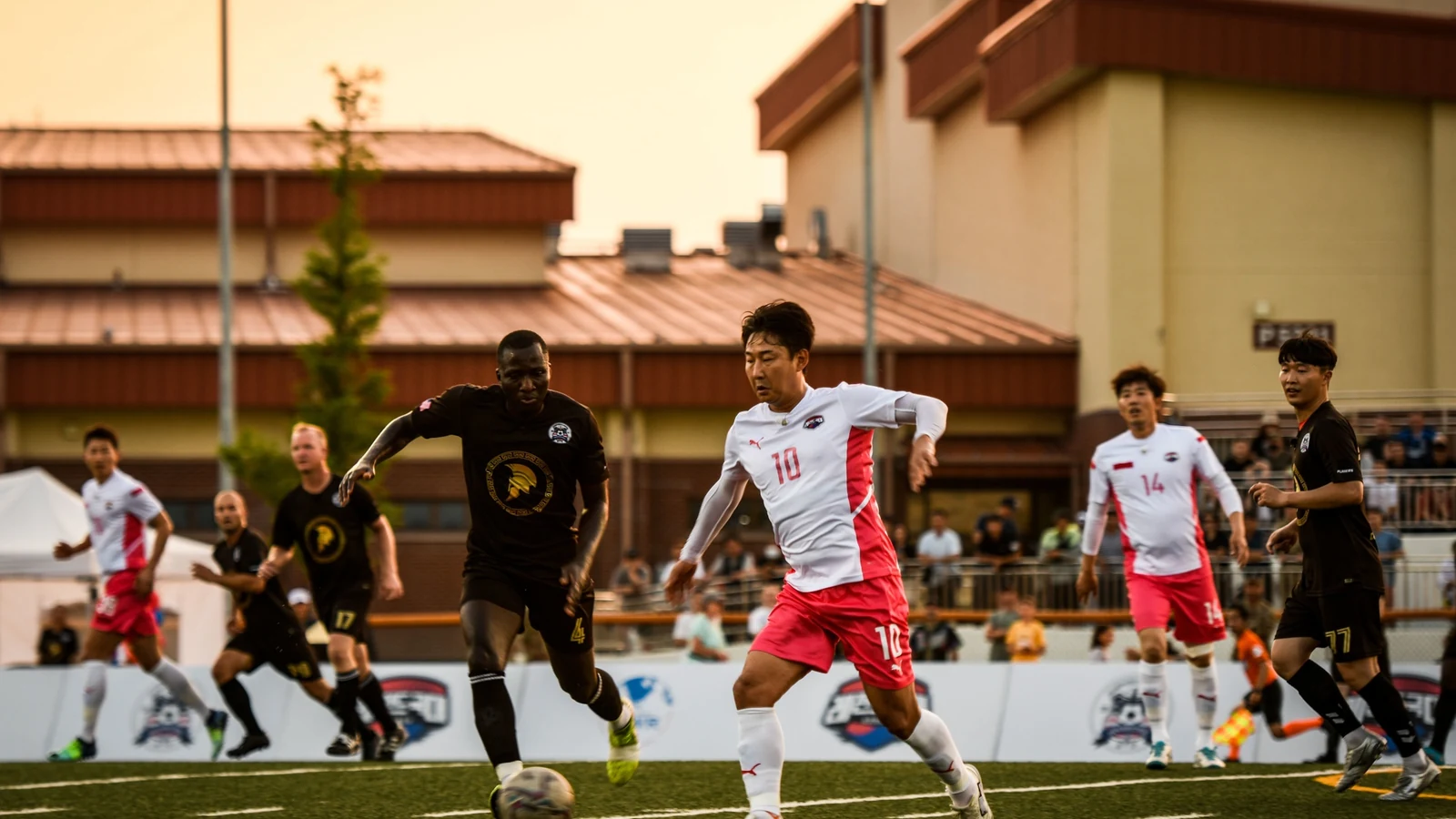
A three-week camp produced the inaugural champion after Army won two earlier meetings; the four-service tournament used the five-on-five international format.
Division I could adopt optional pitch challenges and in-game bat data while banning electronic offensive signals; oversight votes are scheduled for August.
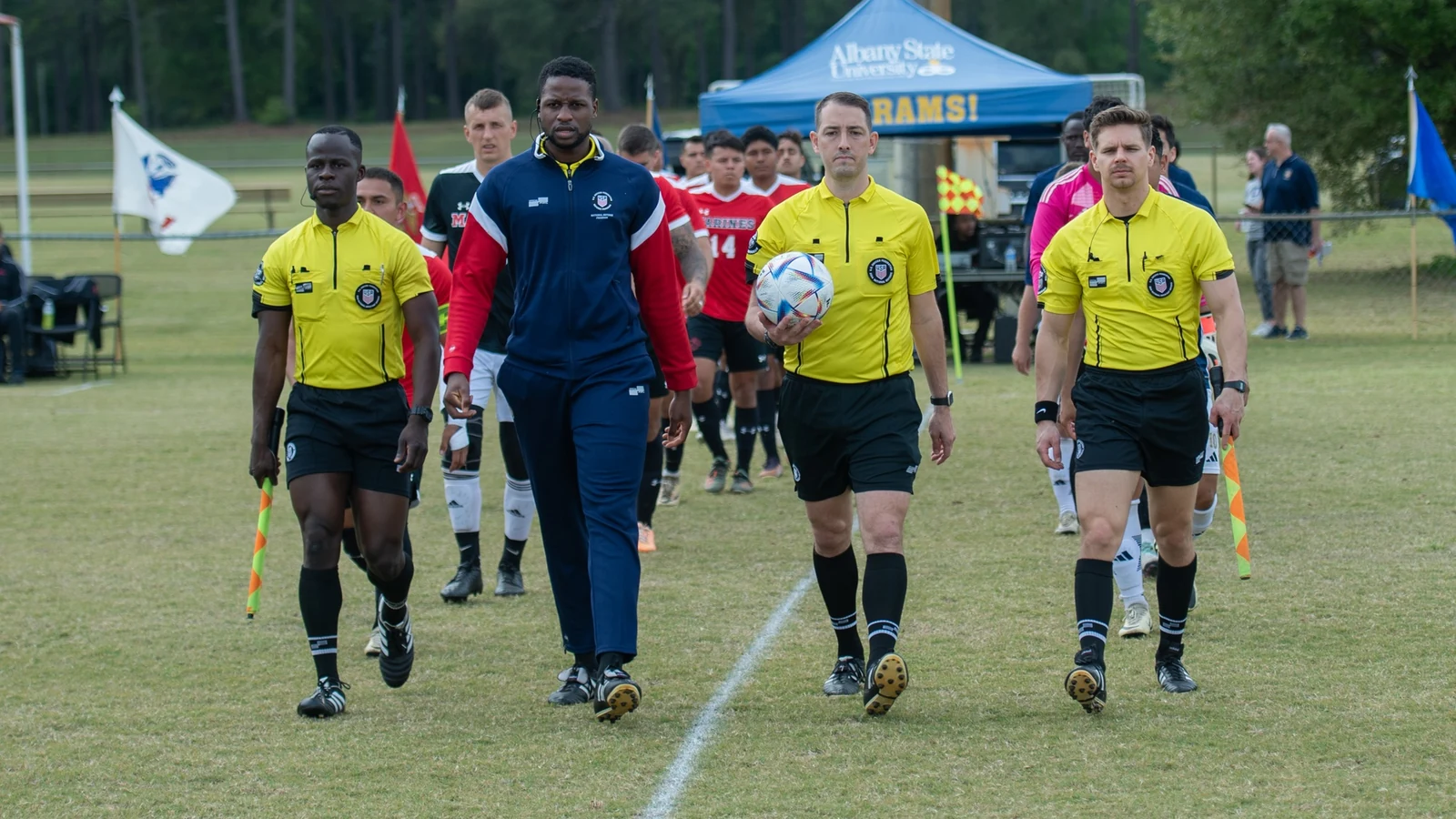
Officials retain narrow review authority early and broader authority late only after a team has exhausted its challenges; goalkeeper possession also moves to eight seconds.
The reinstatement amendment requires no game-integrity concern and clinical evaluation or support, while leaving the violation and its consequences in place.
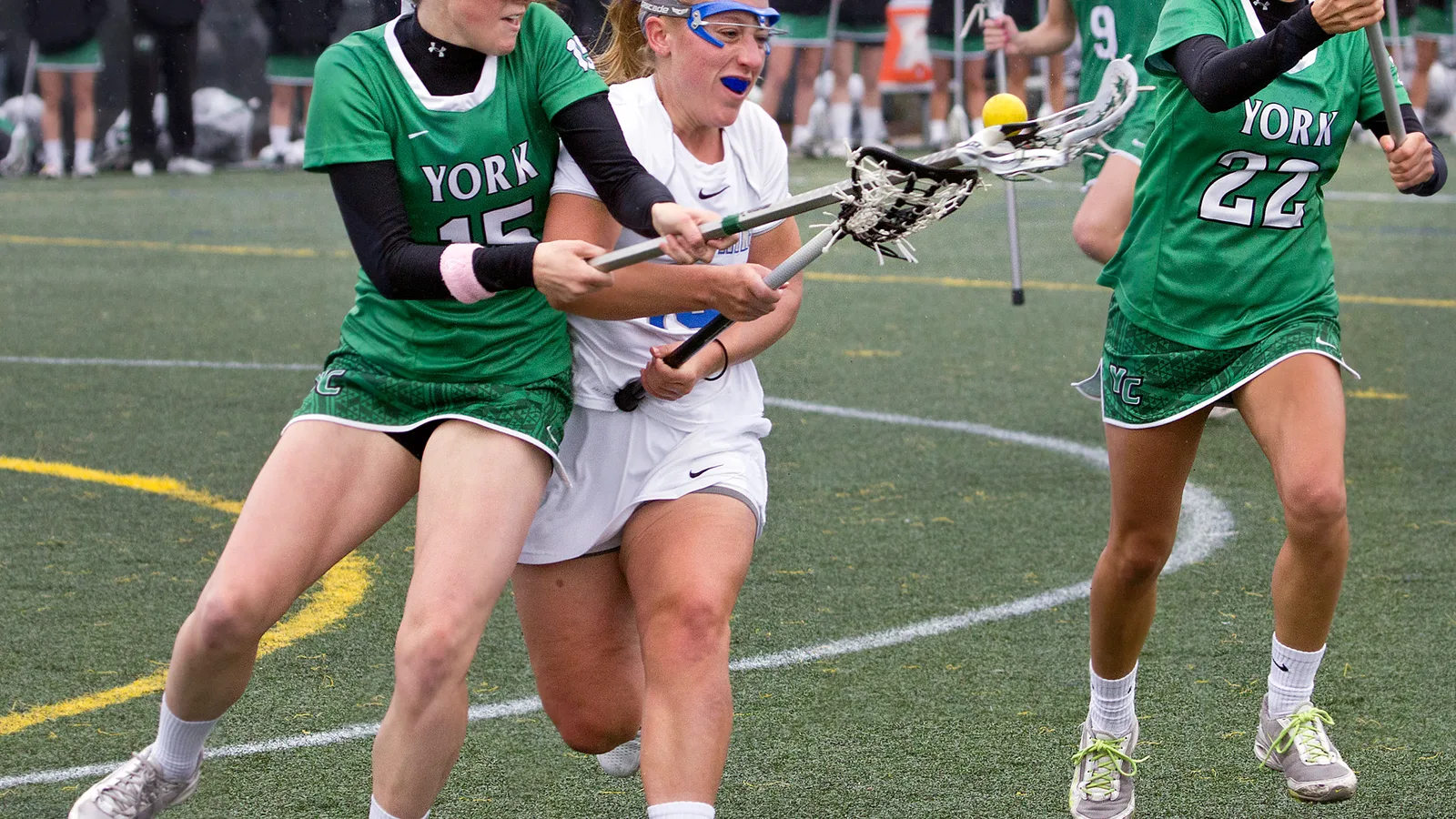
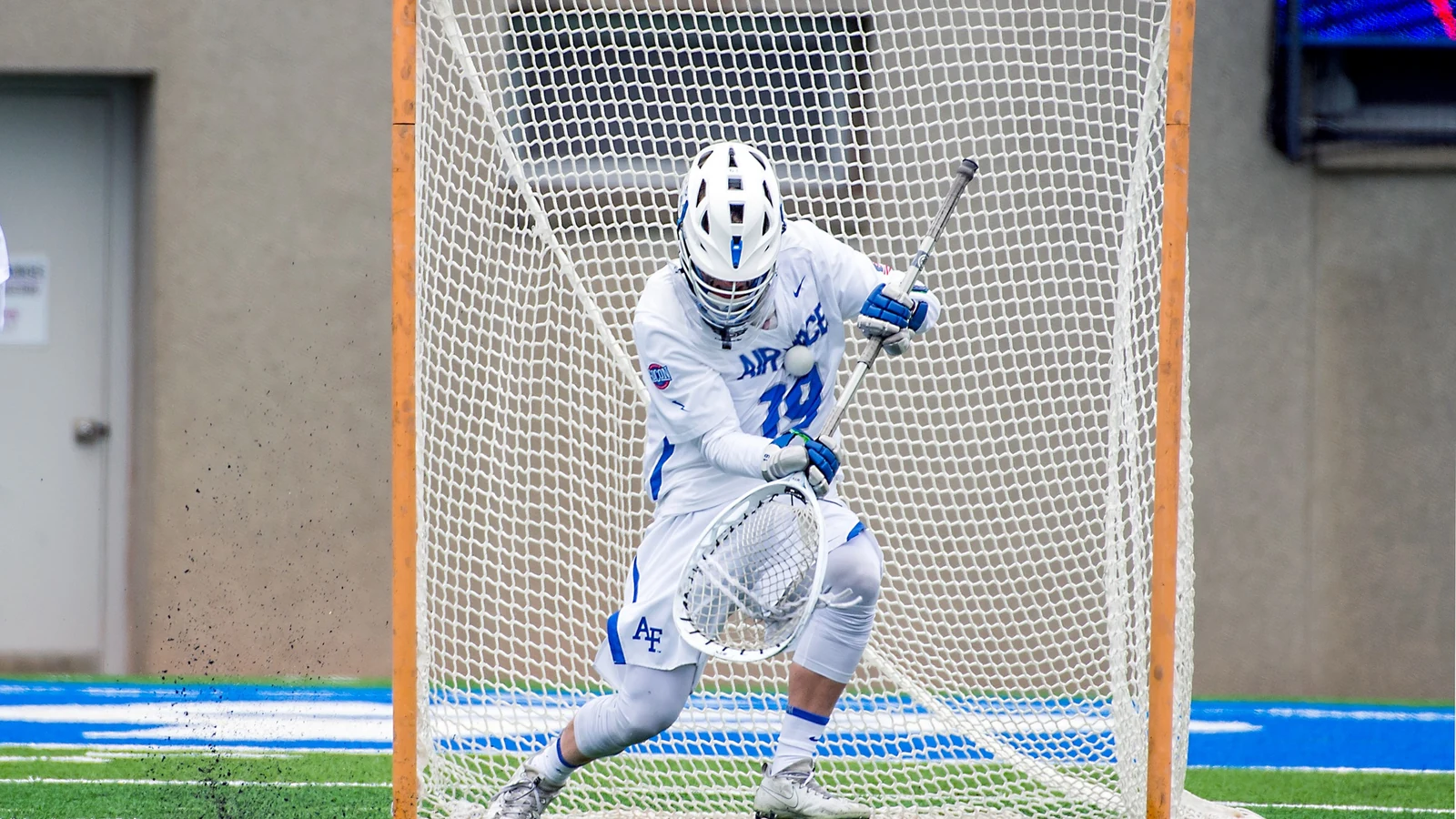
Coaches gain three new grounds to challenge goals, officials receive broader head-contact review authority, and sudden-death periods grow from four minutes to 15.
Division I men's and National Collegiate women's players will be required to use protection for vulnerable areas; Division III is still considering the proposal.