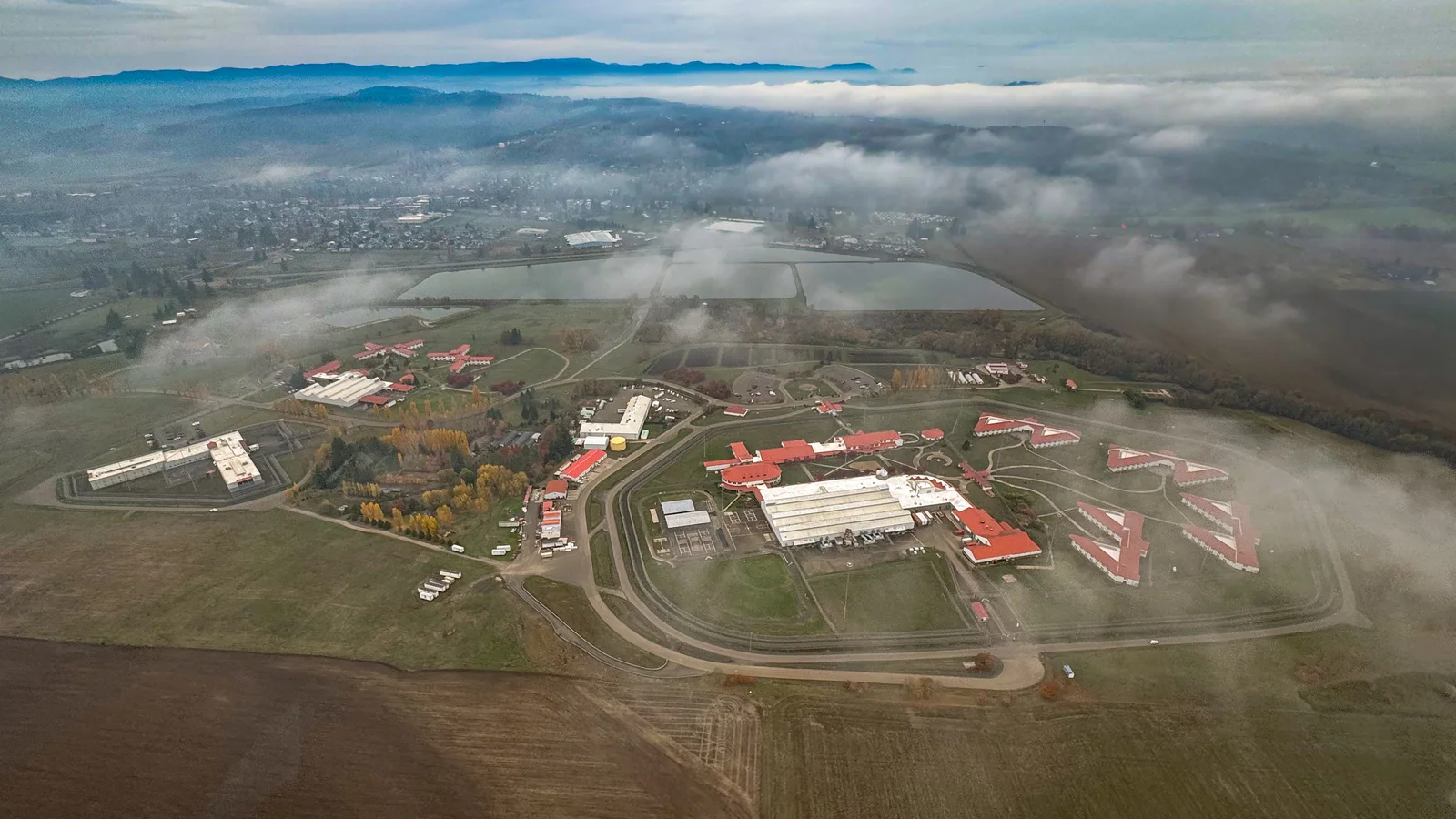
The federal prison population declined about 1% during 2024, reaching 154,093 people at year-end, according to the Bureau of Justice Statistics' latest report required by the First Step Act.
The comparable year-end 2023 count was 155,972, a decrease of 1,879 people. The figures describe people held in Federal Bureau of Prisons facilities and are not a measure of state or local incarceration.

BJS counted 8,202 people with prior military service at year-end 2024, more than 5% of the federal prison population. The prior year's count was 8,388.
The number of non-U.S. citizens declined to 21,948 from 22,817 in 2023 and 24,078 in 2022. Citizenship status is one reported characteristic and does not by itself describe offense, sentence or immigration proceedings.
Thirty percent of people in federal prison were reported as having a child age 20 or younger, down from 35% in 2023. The statistic concerns family status of adults in custody; it does not identify children or disclose private family records.
The report is the seventh in a series required under the First Step Act of 2018. It combines person-level characteristics with facility information on health care, communications, accreditation, rule violations and program participation.

BJS received the 2024 reference-year data from the Federal Bureau of Prisons in 2025. Publication in 2026 means the totals are an annual statistical snapshot rather than a current population counter.
The report also presents Prisoner Assessment Tool Targeting Estimated Risk and Needs categories. BJS notes that some people lack a PATTERN level because they are in pretrial detention, have not been in custody long enough or have legal conditions for which the tool does not apply.
A falling annual total does not establish why the population changed. Admissions, releases, sentence lengths, policy changes and data coverage can all contribute, and the published highlights do not isolate a single cause.