Four major federal agencies were not systematically collecting lessons from artificial-intelligence purchases even as government use of AI expanded, the Government Accountability Office said in an April report.
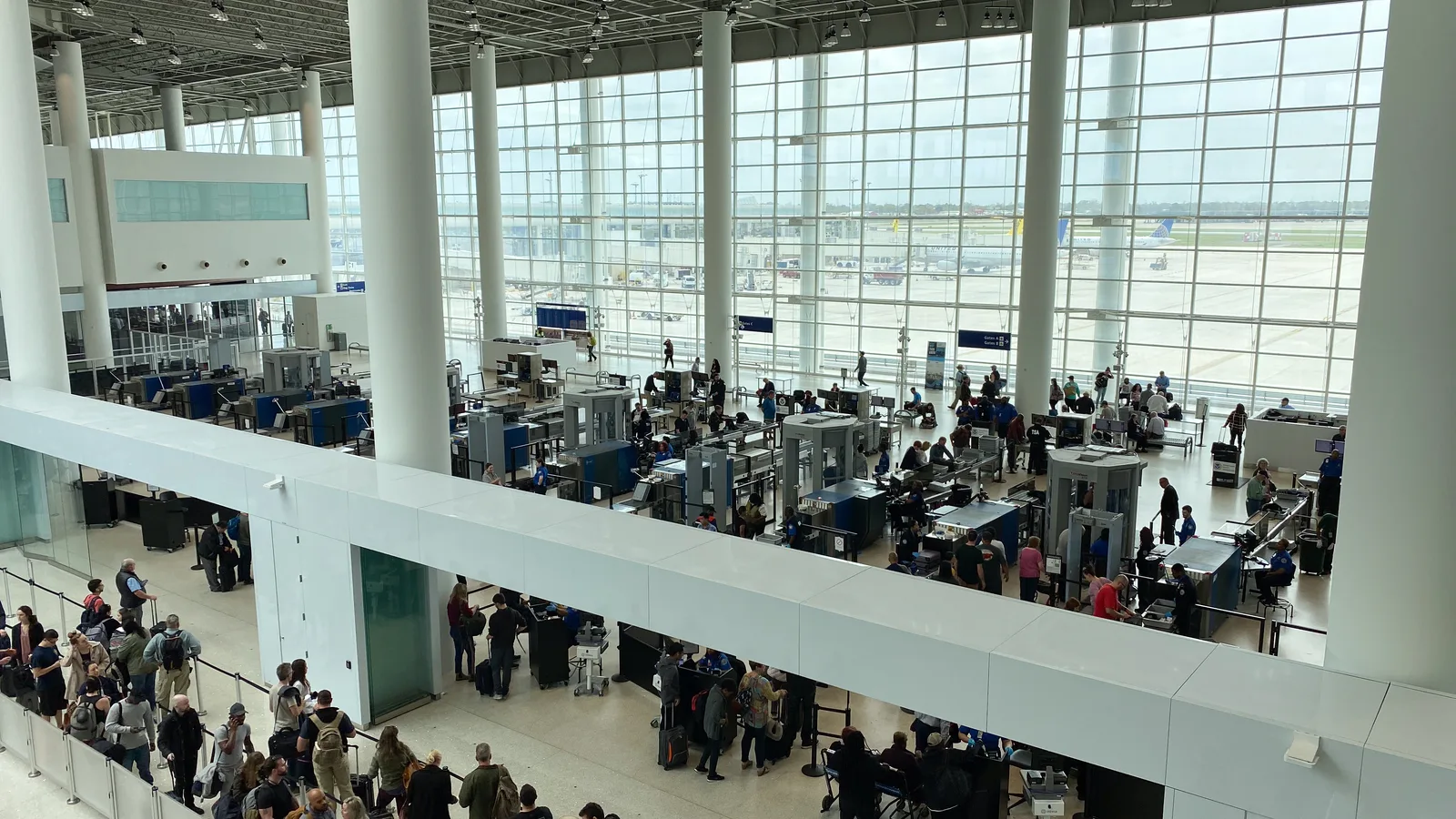
GAO conducted in-depth reviews of 13 acquisitions at the departments of Defense, Homeland Security and Veterans Affairs and at the General Services Administration. The sample included chatbots, computer vision, airport facial comparison and systems supporting benefits work.

Federal agencies reportedly more than doubled their use of AI from 2023 to 2024. GAO said acquisition officials faced recurring challenges involving technical expertise, requirements, data rights, vendor lock-in, testing and the difficulty of estimating AI costs.
Officials at all four reviewed agencies told auditors they did not consistently document lessons because department policies did not require a formal process. That limited the material available for a government-wide repository managed by GSA.
GAO said shared lessons could help agencies reuse effective contract language, protect government data, test systems before larger commitments and avoid repeating pricing or performance mistakes.
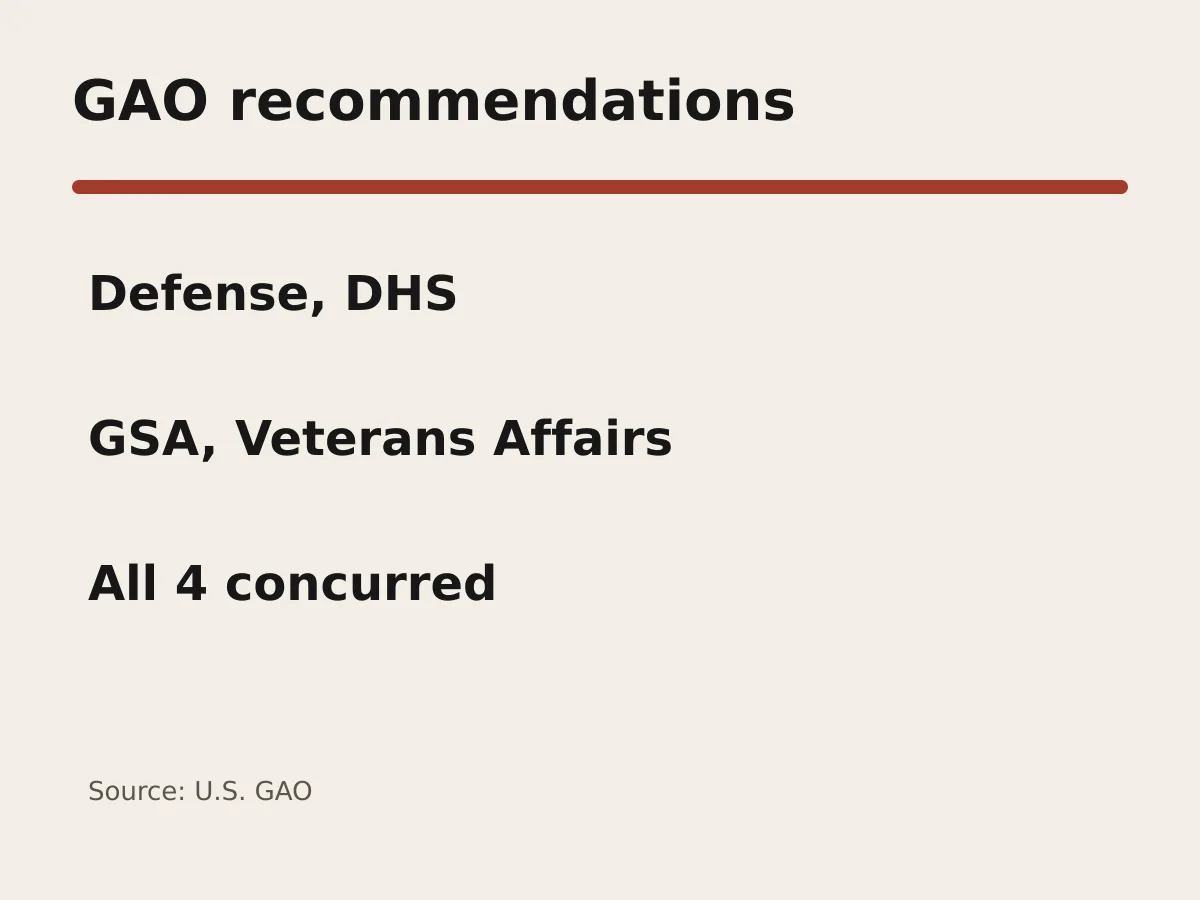
The watchdog made one recommendation to each agency: update policy so officials systematically collect lessons, including useful contract clauses, and submit them for government-wide sharing. All four agencies concurred.
The report does not conclude that every reviewed AI system failed or that a single contract model fits every use. It describes trade-offs between products and services, traditional contracts and other agreements, and agency-led versus vendor-led proposals.
GAO also cautioned that the market and federal policy were changing too quickly to determine which approaches would produce the best returns in every setting. Continuous evaluation remains important because AI performance can change with data and use conditions.
The oversight gap is therefore procedural: agencies are buying increasingly consequential systems without a consistent way to preserve what prior acquisitions taught them about requirements, rights, testing and cost.