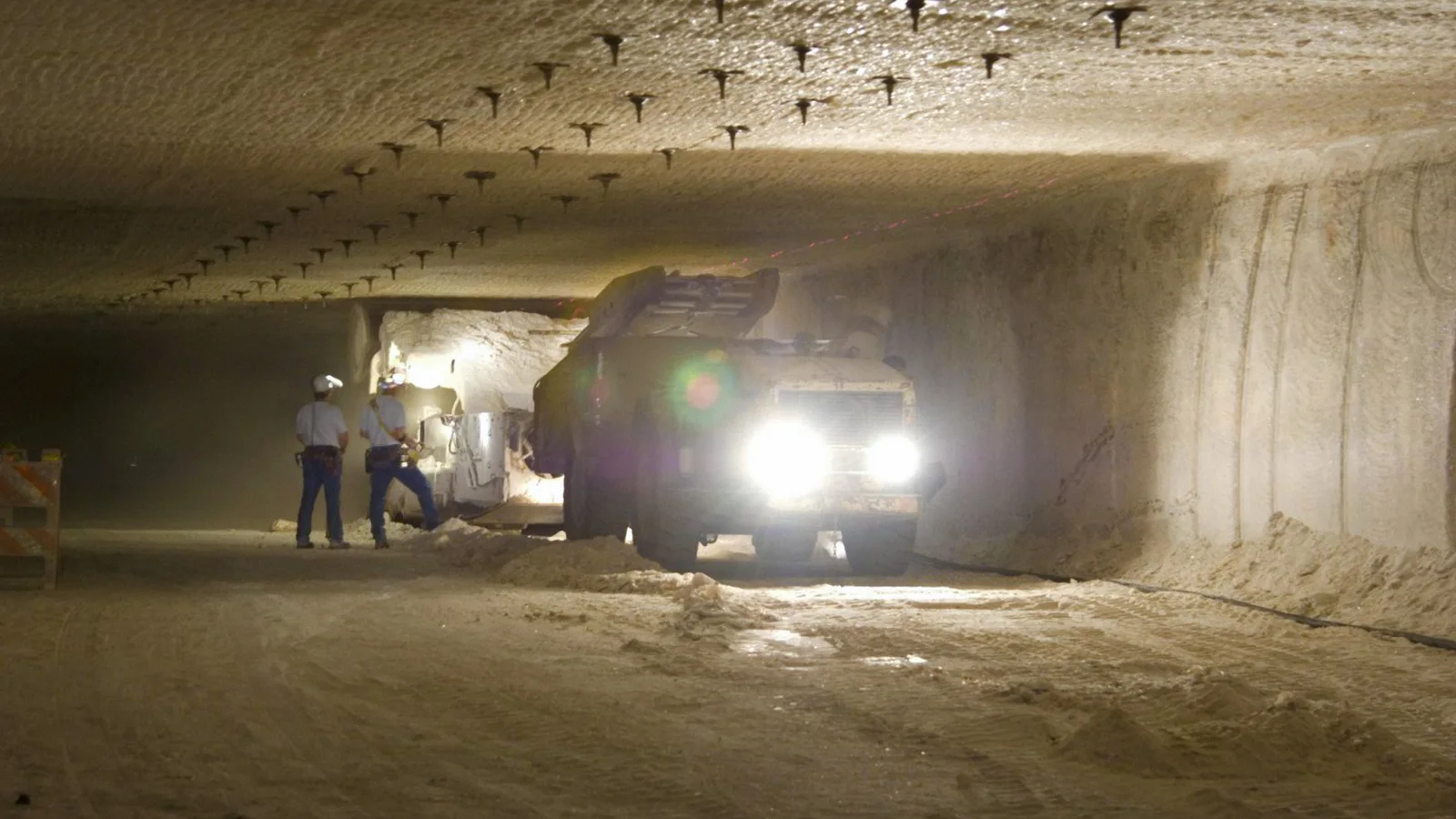
The Energy Department is missing opportunities to apply nuclear-cleanup methods that other countries used to reduce costs, risks or schedules, the Government Accountability Office said in a July 29 report.
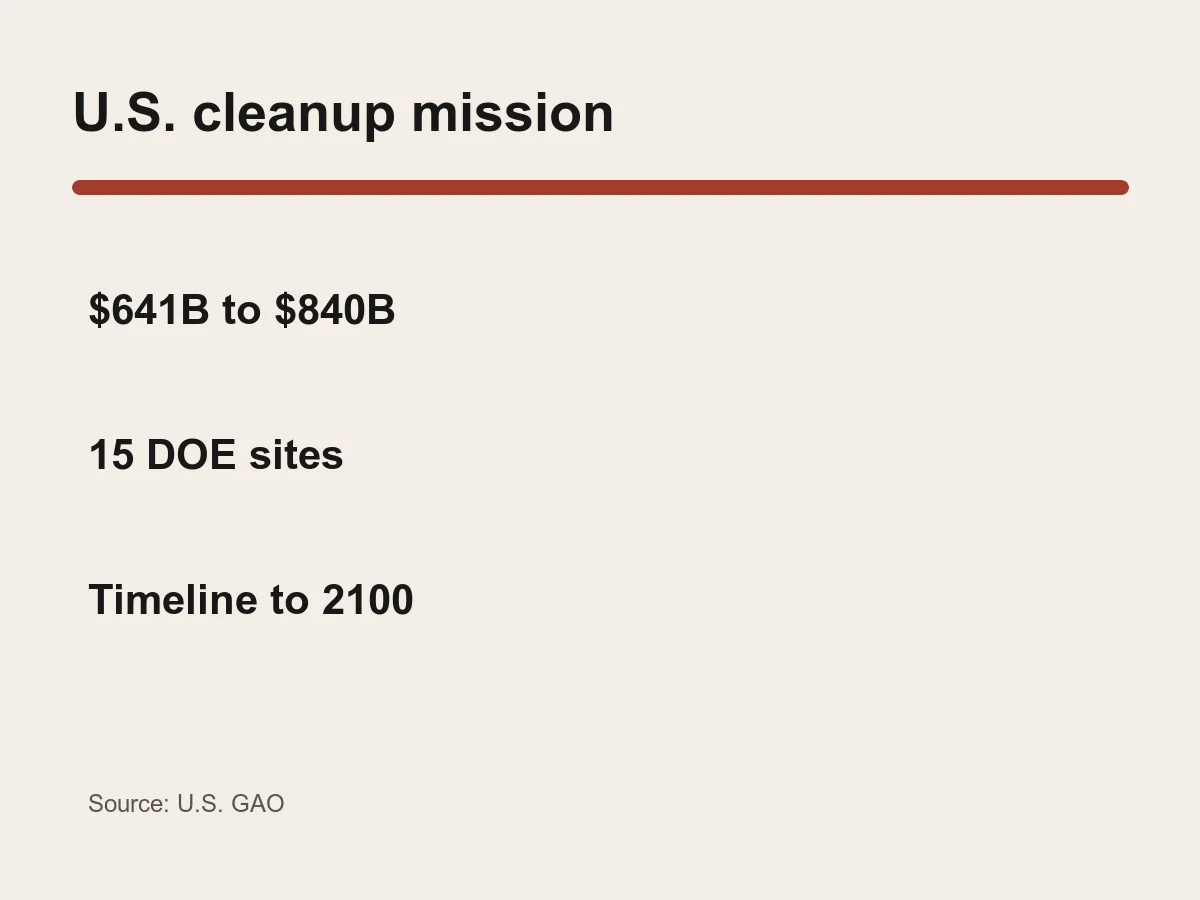
DOE's Office of Environmental Management is responsible for 15 U.S. sites contaminated by nuclear-weapons production and energy research. The office estimates that completing the mission could cost $641 billion to $840 billion and take until 2100.
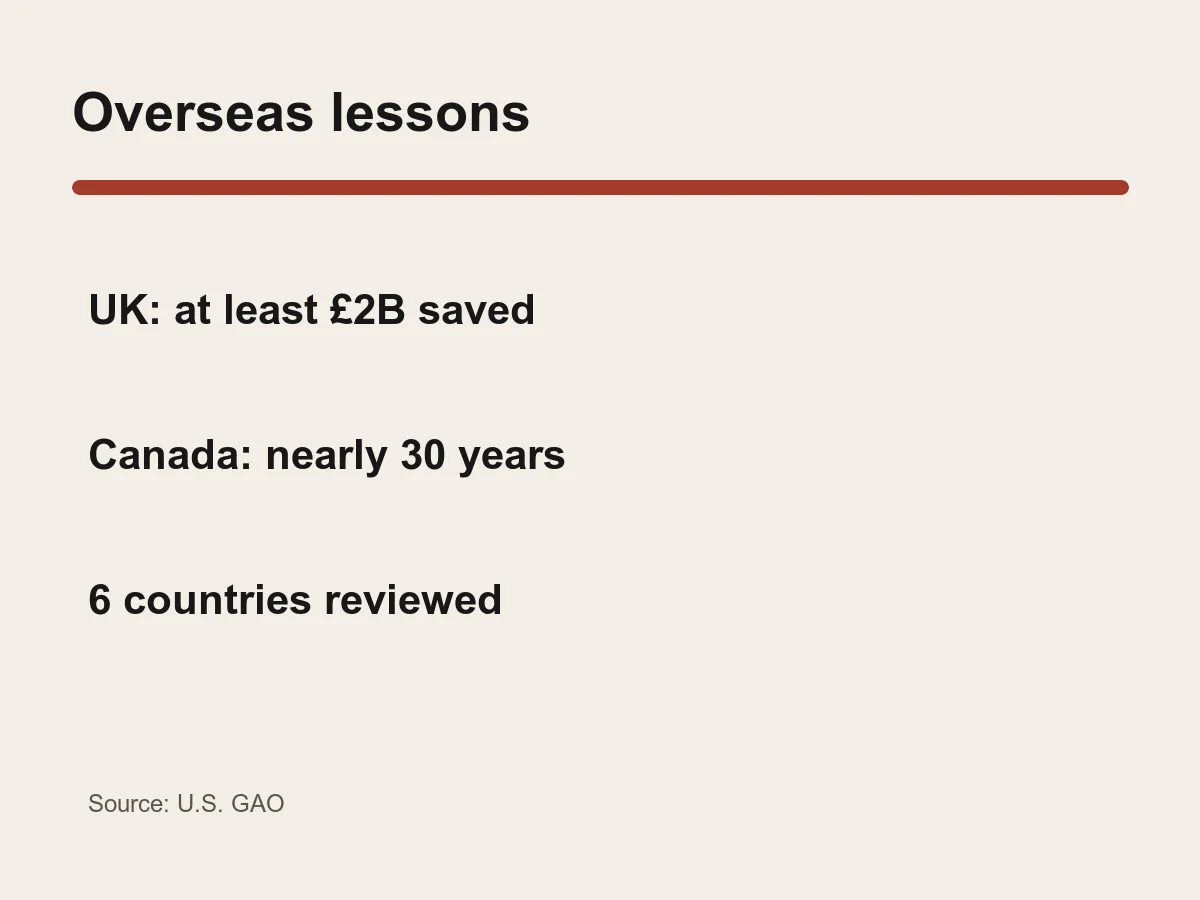
GAO reviewed approaches in Belgium, Canada, France, Germany, Japan and the United Kingdom. The comparisons were intended to identify practices worth evaluating, not to claim that foreign sites and U.S. facilities are interchangeable.
The United Kingdom used a risk-informed approach that reduced the volume of low-radioactivity waste requiring repository disposal. GAO said the change produced at least £2 billion in savings, equivalent to about $2.6 billion in March 2026.
Canada prioritized cleanup at selected waste sites and expects one of those projects to finish nearly 30 years earlier. The report also described international work on waste sorting, reuse and treatment technologies.
Site officials told GAO they wanted more opportunities to learn from foreign counterparts. Headquarters officials said their international engagement typically focuses on teaching other countries rather than systematically gathering alternatives for U.S. decisions.
GAO recommended that DOE strategically engage partner countries, evaluate potentially useful approaches and periodically distribute the findings to site managers and other decision-makers. DOE agreed with the recommendation.
The cited foreign results do not establish that identical savings or schedule gains are available at U.S. sites. Geology, waste types, laws, contracts and community agreements differ, and each approach would require technical and regulatory review.
The oversight finding is therefore about the decision process: GAO concluded that a cleanup program measured in decades and hundreds of billions of dollars lacks a consistent system for testing relevant lessons already demonstrated abroad.