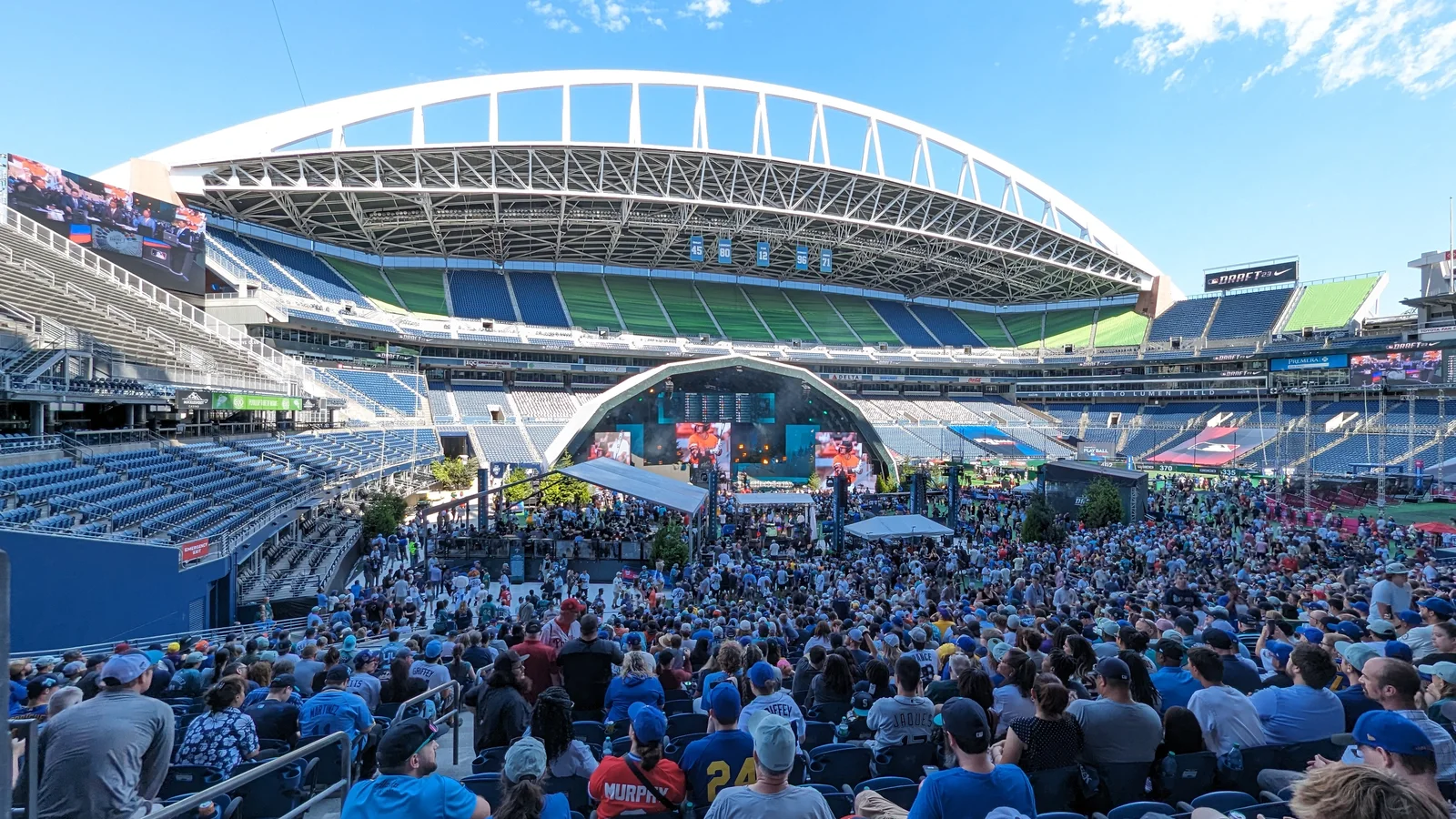
Major League Baseball clubs selected 135 players on the opening day of the 2026 Draft, covering four rounds plus compensation, competitive-balance and prospect-promotion selections.
The Chicago White Sox used the first overall pick on UCLA shortstop Roch Cholowsky. This article tracks the composition of the first-day class rather than projecting individual careers.

College players accounted for 26 of the first 40 selections, compared with 14 players from high schools, according to MLB's official first-day summary.
Shortstop and right-handed pitching were the most common positions in that group, with 11 selections each. Outfielders followed with nine picks.
The remaining first 40 included four left-handed pitchers, three catchers, one third baseman and one second baseman. Listed draft positions can change as players develop in professional systems.
For the fourth consecutive year, teammates were selected among the top 10 picks, MLB said. That streak describes draft history and does not indicate how quickly any prospect will reach the major leagues.

The 135 selections include more than the numbered rounds because MLB's draft order incorporates compensation choices, competitive-balance rounds and a prospect-promotion incentive pick.
Draft position determines negotiating context and the club that holds a player's signing rights, but selection is not the same as signing. Clubs and players still must reach agreements under league rules and deadlines.
Early-round totals show how organizations allocated scarce picks on draft day. They do not establish which source, position or player will ultimately produce the strongest professional career.