
Adults with prediabetes assigned to an intensive lifestyle program had a lower long-term risk of developing multiple chronic conditions than those assigned to placebo, an NIH-supported clinical trial found.
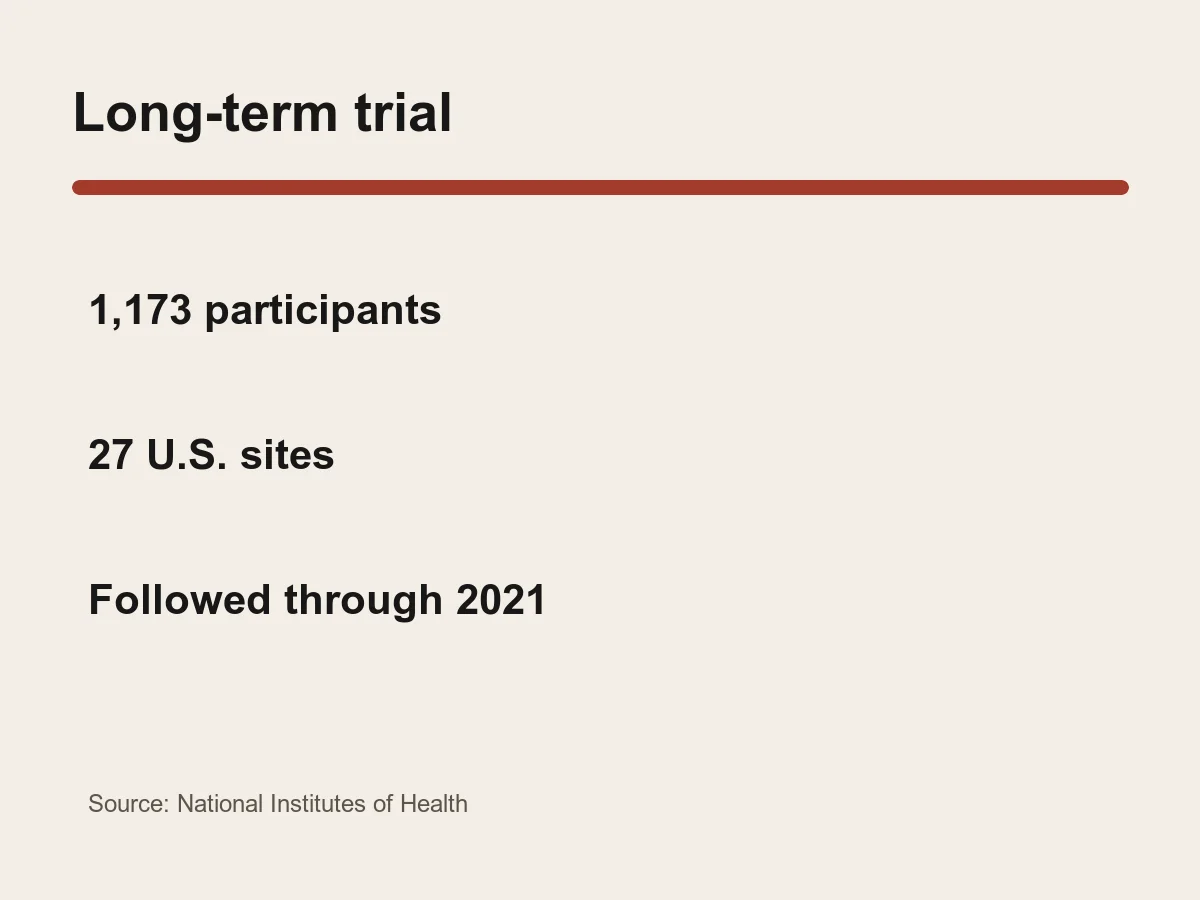
The analysis followed 1,173 participants from 27 U.S. sites who consented to link their study records with Medicare claims. Participants entered the original Diabetes Prevention Program from 1996 to 1999 and were followed through 2021.

Compared with placebo, the lifestyle group had a 21% lower risk of developing two chronic conditions and a 25% lower risk of developing three. The results persisted when diabetes was removed from the definition.
By the end of follow-up, 82% of lifestyle participants, 85% of metformin participants and 87% of placebo participants had at least two of the 15 tracked conditions.
The original lifestyle program used 16 individual sessions, then monthly sessions for about two years. It targeted reduced calories and fat, at least 150 minutes of weekly physical activity and weight loss of at least 7% from baseline.
Participants assigned to metformin did not have a statistically significant reduction in multimorbidity risk compared with placebo. That finding concerns the multiple-condition outcome and does not erase prior evidence that metformin can delay diabetes in some high-risk adults.
The 15 conditions included hypertension, heart disease, stroke, arthritis, chronic kidney disease, chronic obstructive pulmonary disease, cancer, depression, dementia, osteoporosis and diabetes.
After the original trial, every group was offered lifestyle education, which may have reduced differences among the randomized groups. The Medicare-linked analysis also represents participants who survived, enrolled in Medicare and consented to the linkage.
The study supports population-level prevention programs; it is not individualized medical advice. People considering changes to activity, diet or medication should discuss their circumstances with a qualified clinician.