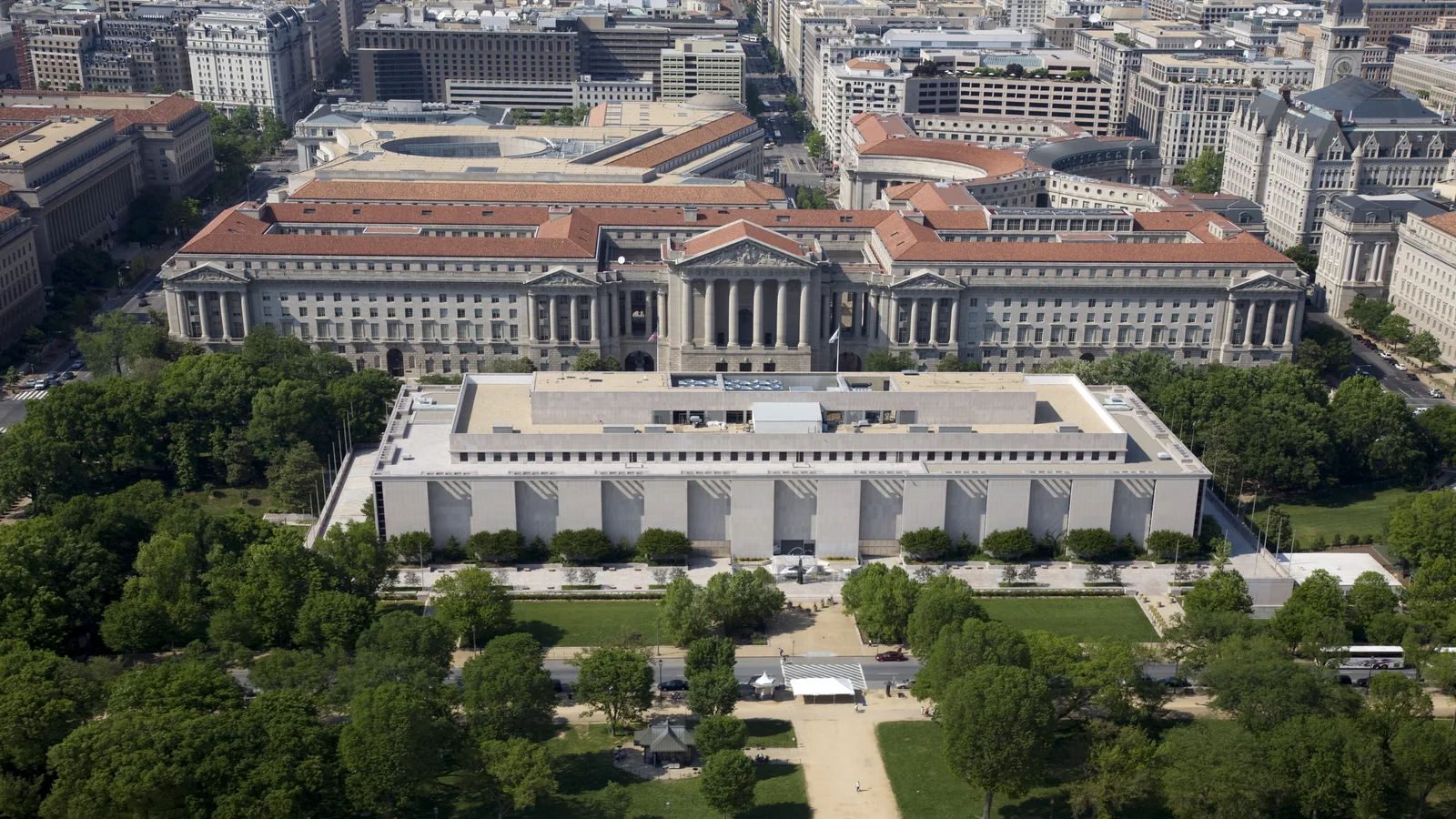
The National Museum of American History has spread a single exhibition across all three public floors, using 250 objects and 250,000 square feet to examine how Americans have pursued life, liberty and happiness.
‘In Pursuit of Life, Liberty & Happiness’ opened May 14 and remains on view through the end of 2026. The title rearranges the Declaration of Independence's familiar phrase to emphasize pursuit across generations.

The museum says 76 of the selected objects are being displayed for the first time or are rarely shown. Cases in the first- and second-floor entry halls connect with artifacts already installed throughout permanent galleries.
The selection ranges from Thomas Jefferson's writing desk and the Star-Spangled Banner to an 18th-century gunboat, an Earth Day flag, gloves from the 1980 U.S. Olympic hockey team and a hard hat used after the Sept. 11 attacks.
Some objects are available only for limited periods because of conservation and loan requirements. Jefferson's desk, for example, moved to the Smithsonian Castle's ‘American Aspirations’ exhibition from June 2 through July 26.
A free guidebook helps visitors locate the 250 artifacts, while the museum's digital project provides the stories behind them for people who cannot follow the full in-building route.

Curators organized the exhibition around contested and evolving attempts to realize the founding document's ideals rather than presenting a single chronological gallery. Everyday objects sit alongside nationally recognized artifacts.
The museum is open without admission charge, but individual displays and visitor access can change. The institution advises checking its current visitor information before traveling.
The exhibition's scale is a curatorial framework, not a claim that 250 objects can represent every American experience. Its stated aim is to invite comparison among aspirations fulfilled, deferred and reinterpreted over time.