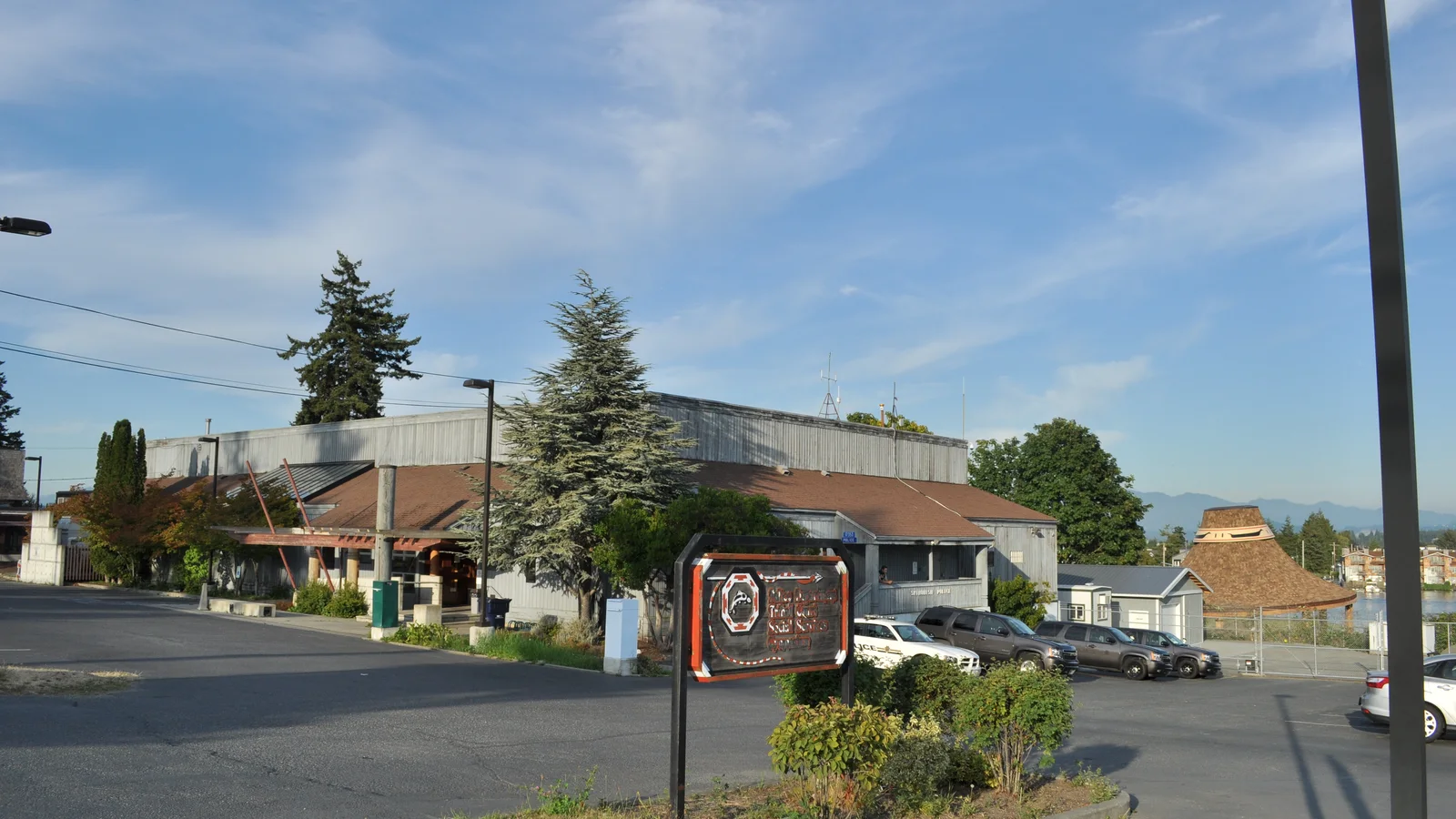
Tribally operated law enforcement agencies reported an estimated 3,780 violent offenses in 2023, an 11% decline from 4,250 in 2022, according to a Bureau of Justice Statistics report released May 7.
The estimates combine data from BJS and the FBI's National Incident-Based Reporting System Estimation Program. They describe offenses known to participating law enforcement systems, not every act of violence or every person's experience.

Reported rape offenses declined 23%, from an estimated 540 in 2022 to 410 in 2023. BJS said estimated counts for homicide, robbery and aggravated assault did not change significantly over the same period.
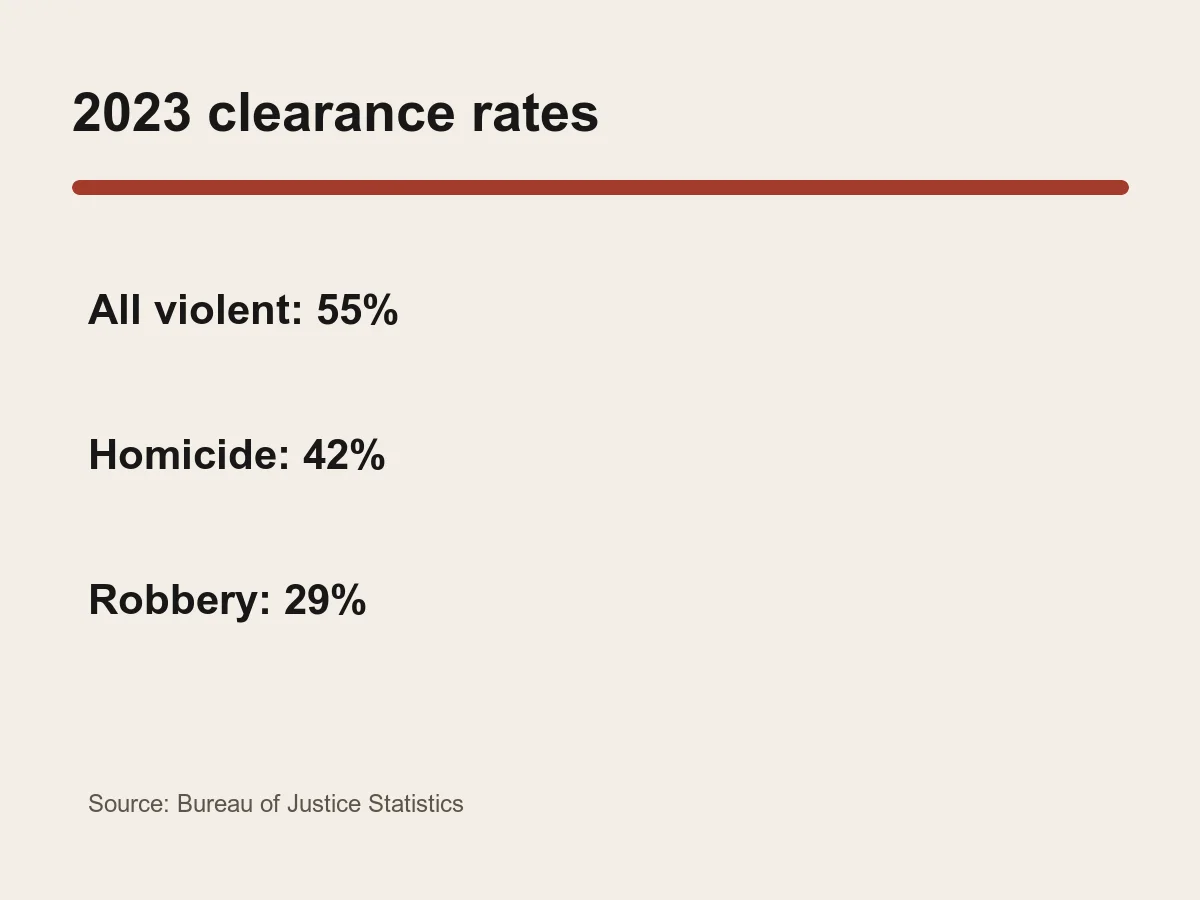
Agencies cleared an estimated 55% of total violent offenses in 2023. The comparable 2022 estimate was 54%, and BJS said the difference was not statistically significant.
A clearance generally means an agency arrested and charged a person or resolved an offense through qualifying exceptional circumstances. It does not necessarily mean a conviction, and one clearance can involve more than one offense.
The estimated homicide clearance percentage fell from 61% in 2022 to 42% in 2023. The robbery clearance estimate declined from 42% to 29%.
Those category-level changes should not be read as performance rankings for individual tribal agencies. Small numbers, reporting coverage and year-to-year variation can have a larger effect on percentage estimates for less frequent offenses.
The report focuses on tribally operated agencies rather than all law enforcement serving tribal communities. Federal, state, local and cross-deputized agencies may also have jurisdiction in Indian country under arrangements that vary by place.
BJS presents the results as statistical estimates and flags which differences are significant. The figures are most useful for tracking the covered system over time, not for drawing conclusions about any specific community or case.